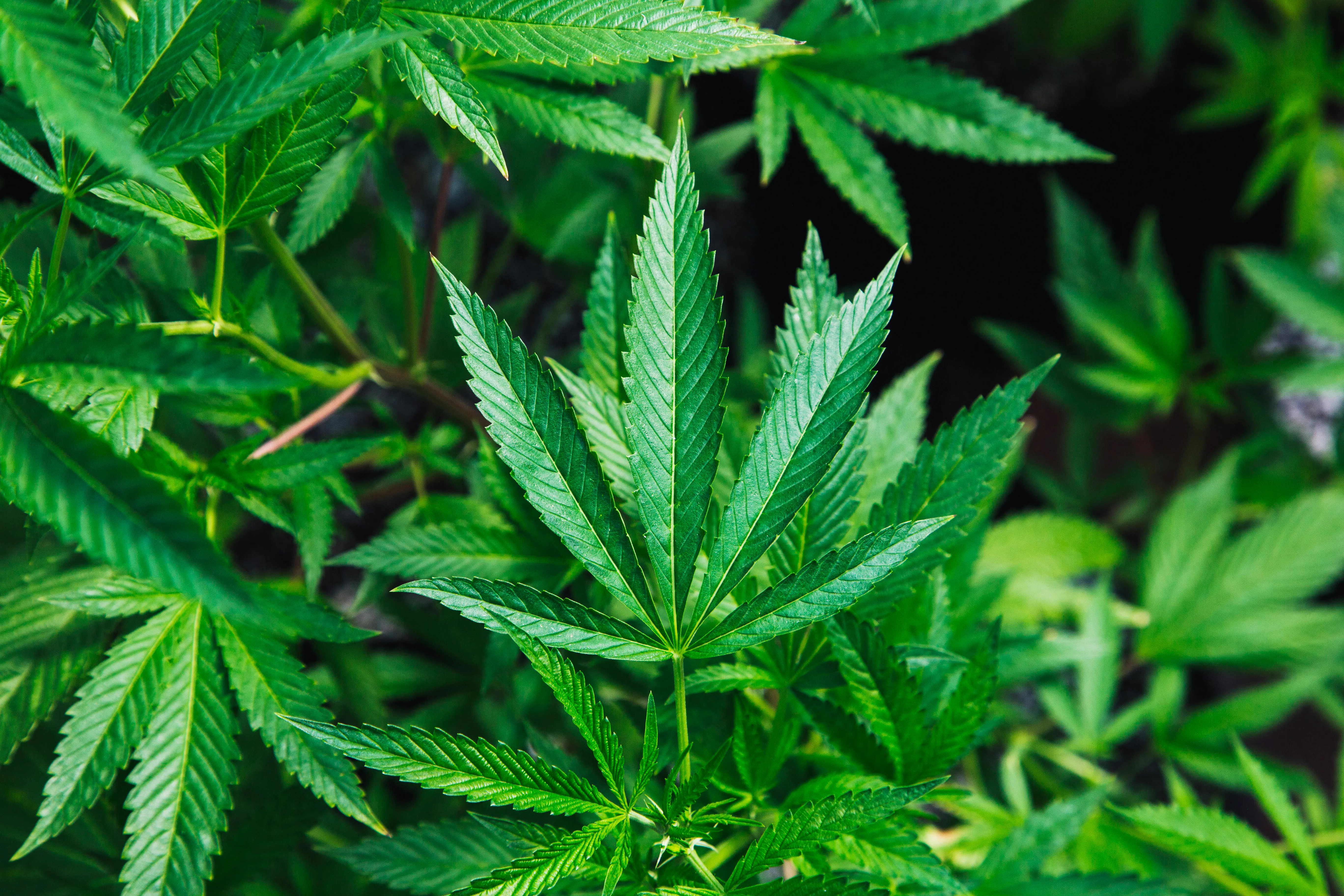
Cannabis is a mycorrhizal plant. In its natural environment it forms partnerships with arbuscular mycorrhizal fungi that extend its root system and improve access to phosphorus, micronutrients, and water. Most modern growing environments — containers, coco coir, sterile potting mixes, heavily fertilized soil — strip that biological relationship out entirely. Adding it back with a quality inoculant at transplant is one of the higher-leverage, lower-cost inputs a grower can make.
This guide covers how mycorrhizal fungi benefit cannabis specifically, when and how to apply inoculant, and the inputs that undercut it — particularly relevant given how fertilizer-intensive cannabis cultivation tends to be.
How Mycorrhizae Benefit Cannabis
Cannabis is a heavy feeder with high phosphorus demand during vegetative growth and a strong preference for consistent micronutrient availability through flowering. These are exactly the resources mycorrhizal fungi specialize in delivering. The fungal hyphae — far finer than root hairs — extend outward through soil or growing medium to access phosphorus bound in particles that plant roots can't chemically dissolve on their own. They also tap water held in microscopic pore spaces unavailable to roots, which matters during stretches between irrigations.
Beyond nutrition, mycorrhizal colonization supports cannabis in three additional ways:
- Root mass and structure: Colonized root systems typically develop more lateral branching and greater overall surface area, giving the plant a larger foundation during the vegetative phase.
- Transplant resilience: Cannabis is sensitive to transplant shock. Mycorrhizal colonization established before transplant — or applied at the time of it — helps maintain root function through the disruption.
- Pathogen resistance: Mycorrhizal fungi compete with and physically displace some soil-borne pathogens including certain Fusarium and Pythium species. This is a secondary effect, not a substitute for proper sanitation, but it contributes to overall root zone health.
When to Apply
At transplant (recommended): The highest-value window. When moving a seedling or clone from its rooting medium into a larger container or into the ground, apply inoculant directly into the new container or hole so the roots contact the spores immediately.
At seed germination: Dust seeds lightly before sowing, or mix inoculant into the germination medium. Colonization begins as soon as the first root emerges.
For established plants in soil: Apply Big Foot Concentrate as a soil drench around the root zone during early vegetative growth. Colonization will establish more slowly than at transplant but still meaningfully contributes through the vegetative and early flowering phases. See our soil drench guide for the process.
Hydroponics and coco: Mycorrhizal fungi require a substrate to colonize — they cannot form relationships in pure water culture. In coco coir, colonization is possible but reduced compared to soil. Apply at transplant with direct root contact and ensure the medium stays moist but not saturated.
How to Apply: Step by Step
Container Transplant
- Fill the new container partway with your growing medium.
- Sprinkle 1 teaspoon of Big Foot Gold into a small depression at the center where the root ball will sit.
- Set the plant so the existing roots contact the inoculant directly.
- Fill the remaining medium around the root ball and water thoroughly.
In-Ground or Raised Bed
- Dig the planting hole to fit the root ball.
- Add 1 teaspoon of Big Foot Gold to the bottom and sides of the hole.
- Set the plant, backfill, and water in.
The Biggest Pitfall: Phosphorus
This is the most important practical consideration for cannabis growers. When phosphorus is freely available in the root zone, cannabis stops investing in the mycorrhizal relationship — the plant essentially fires the fungus because it no longer needs the service. Most cannabis nutrient lines, particularly those designed for vegetative growth, are high in phosphorus.
To get real benefit from mycorrhizal inoculation:
- Apply inoculant at transplant before introducing any nutrient solution
- Hold off on phosphorus-heavy feeding for the first two to three weeks after transplant
- Consider running lower phosphorus levels during vegetative growth and relying more on the fungal network for delivery
- Avoid high-P bloom boosters during the early flowering window when colonization is still active
This is not a reason to skip inoculation — it's a reason to time your inputs thoughtfully. Growers who pair mycorrhizal inoculant with a lower-phosphorus feed program often report that they can maintain plant health with less nutrient input overall, which reduces salt buildup in the root zone over time.
Fungicide Compatibility
Many cannabis operations use preventative fungicide programs for powdery mildew and Botrytis. Some systemic fungicides applied as drenches can harm mycorrhizal colonization. For a breakdown of which products are compatible and which to avoid, see our post on using mycorrhizae with fungicides. As a general rule: foliar fungicide applications have minimal impact on root-zone colonization; systemic soil drenches carry more risk.
Which Big Foot Product to Use
Big Foot Gold is the straightforward choice for container growers. One teaspoon per transplant, applied directly under the root ball. It contains multiple endomycorrhizal species plus beneficial bacteria and humic acids that support the root zone environment.
For large outdoor plants or in-ground cultivation, Big Foot Granular can be mixed into backfill at transplant or banded into planting rows. Big Foot Concentrate works well for established plants or for growers who want to apply through an irrigation system.
All Big Foot products are OMRI listed for organic production — relevant for craft and sun-grown operations targeting premium markets.
Build a stronger root zone from the start.
OMRI listed. Works in soil, raised beds, and coco.
Shop Big Foot MycorrhizaeFrequently Asked Questions
Does cannabis benefit from mycorrhizal fungi?
Yes. Cannabis is an endomycorrhizal plant that naturally forms partnerships with arbuscular mycorrhizal fungi. The relationship improves phosphorus and micronutrient uptake, supports root development, increases drought tolerance, and contributes to pathogen resistance in the root zone. The benefit is strongest in soil and coco-based systems; pure hydroponic water culture does not support mycorrhizal colonization.
When should I add mycorrhizae to cannabis?
The best time to apply mycorrhizal inoculant to cannabis is at transplant. Place the inoculant in direct contact with the roots when moving a seedling or clone into its final container or into the ground. This gives colonization the maximum head start during the vegetative phase. You can also apply at seed germination, or as a soil drench for established plants in vegetative growth.
Will high-phosphorus nutrients kill mycorrhizae?
High-phosphorus nutrient solutions don't kill mycorrhizal fungi outright, but they suppress the relationship. When phosphorus is abundant in the root zone, cannabis reduces its investment in the fungal partnership because it no longer needs the fungi for nutrient delivery. To get meaningful benefit from inoculation, delay phosphorus-heavy feeding for two to three weeks after transplant, and consider using lower overall phosphorus levels during vegetative growth.
Can you use mycorrhizae in coco coir?
Yes, with reduced effectiveness compared to soil. Mycorrhizal fungi can colonize roots in coco coir, but the colonization rate is typically lower than in mineral soil, and the fungal network has less organic matter to work with. Apply at transplant with direct root contact and keep the coco moist but not waterlogged. The benefit is real but more modest than in a soil-based system.
Can mycorrhizae help with Fusarium or Pythium in cannabis?
Mycorrhizal colonization can reduce the incidence and severity of some root pathogens including Fusarium and Pythium by competing for root colonization sites and triggering systemic resistance responses in the plant. This is a secondary benefit, not a replacement for sanitation, proper drainage, and environmental controls. Think of it as making the root zone more resilient rather than treating an active infection.