Quick Answer
Mycorrhizae are beneficial fungi that attach to plant roots and extend microscopic filaments (hyphae) deep into the soil. These filaments dramatically increase the root system's effective surface area, giving plants access to more water, phosphorus, nitrogen, and other nutrients than roots alone can reach. The result: faster establishment, stronger growth, better drought tolerance, and improved disease resistance. An estimated 85% of plant species form this relationship naturally.
Mycorrhizae are the best-studied plant-microbial relationship in soil science, with over 100,000 peer-reviewed studies in the technical literature. Below, Dr. Mike Amaranthus, former USDA Forest Service soil scientist, explains exactly how mycorrhizal fungi help plants — and why reintroducing them to disturbed soils is one of the highest-leverage things a grower can do. If you want to skip straight to application, see our guides on soil drenching and transplanting with mycorrhizae.
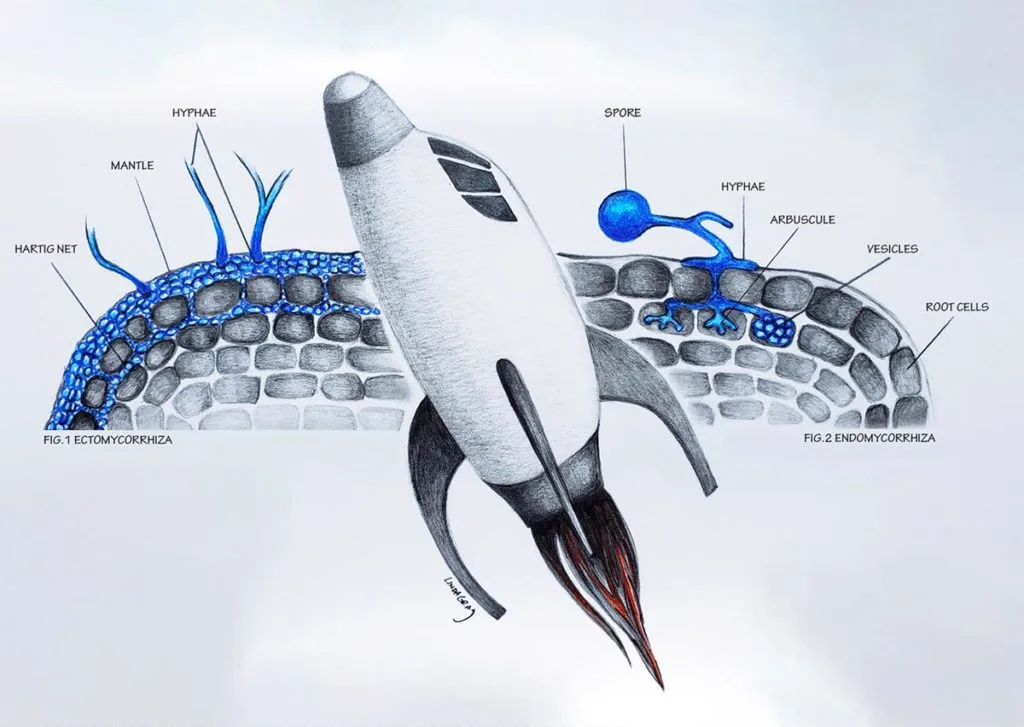
Mycorrhizae Is Not Rocket Science
Not all species need to compete with each other to survive and evolve. The vast majority of plant species form a mutually beneficial living relationship, or a "symbiosis", with beneficial fungi. It's a 1+1=3 relationship. The roots of an estimated 85% of the world's plant species are colonized by symbiotic fungi. We call this root-and-fungus combination a mycorrhiza -- the plural is mycorrhizae. Mycorrhiza literally translates into "fungus-root."
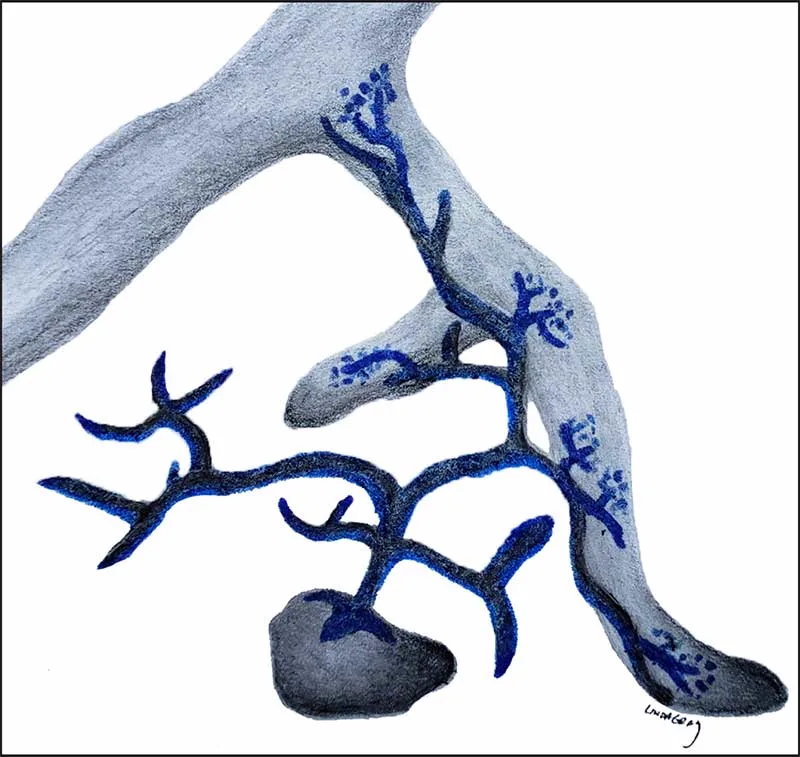
The body of the mycorrhizal fungus consists of microscopic filaments called hyphae. An individual hypha is approximately 1/25th the diameter of a human hair and can grow up to 15 to 25 inches in length. Hyphal strands grow from within and around the root cells of the "host" plant, spreading out into the surrounding soil, greatly increasing the effective surface area of the root system.
The Types of Mycorrhizae
The fossil evidence indicates that the specialized mycorrhizal plant relationship dates back over 460 million years and played a key role in allowing aquatic plants to invade and utilize land habitats. The trading of soil water and nutrients captured by the mycorrhiza for sugars produced by plant photosynthesis was the foundation for this ancient relationship.
Ectomycorrhizae
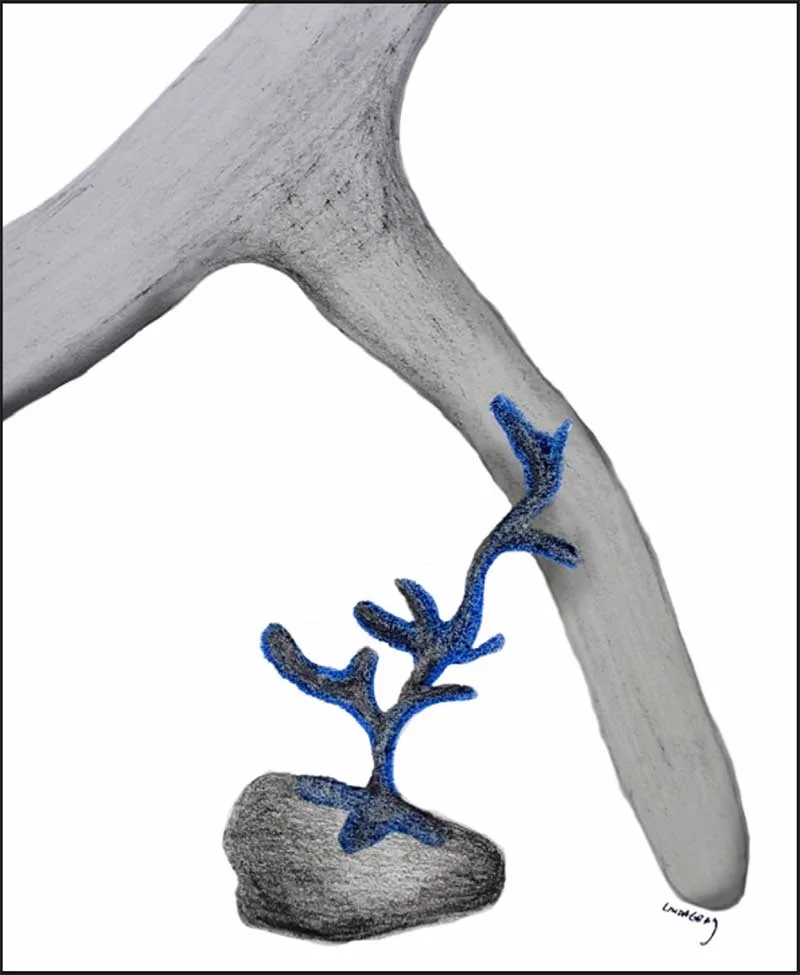
The group of mycorrhizae associated with most conifers, oaks, pecan, hazelnut, beeches, eucalyptus, and some tropical hardwoods is called "ectomycorrhiza." The ectomycorrhizal fungi do not enter the root cells but grow around the outer cortical cells of the root. Well over 4,000 species of ectomycorrhizal fungi occur in our forests. When you walk through a forest and see a mushroom or puffball, you may be seeing the fruiting body of an ectomycorrhizal fungus.
Endomycorrhizae
Endomycorrhizae form a symbiotic relationship with a much broader array of plants. Like ecto fungi, the filaments of endomycorrhizae expand into the soil matrix forming a feeding network. But unlike the ecto's, the endo's penetrate into the plant root cells and lack the thick mantle over the surface of the root. By far the largest endo group is the arbuscular mycorrhizae fungi (AMF), which claims the most mycorrhizal species in the plant kingdom.
Most plants, including most grains, vegetables, orchard trees, vines, turf grasses, and horticulturally important plants evolved with AMF, and are naturally "designed" to achieve optimum growth and vigor by forming arbuscular fungal relationships.
What They Do
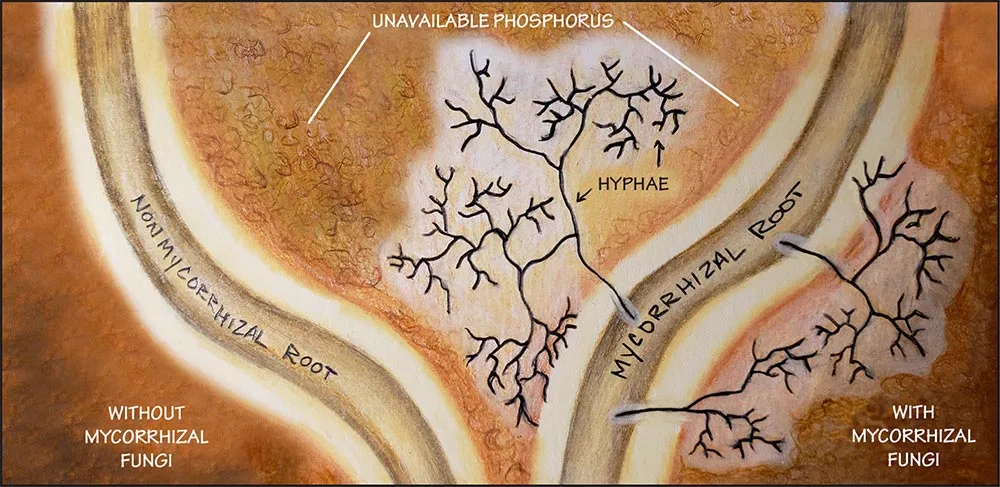
The effect of mycorrhizae on the root system of a colonized plant is mind boggling. Just a teaspoon of healthy soil can contain up to several miles of hyphae! The mycorrhizal fungi can be viewed as the "stomach" of the plant, producing enzymes that digest and absorb food in the soil. Research confirms that mycorrhizal fungi are particularly important in accessing phosphorus, nitrogen, zinc, iron, calcium, magnesium, manganese, sulfur and other important soil nutrients.
Mycorrhizal benefits do not stop there. These fungi also play a definitive role in a plant's natural defense against widespread fungal root diseases including phytophthora, fusarium, pythium, and rhizoctonia. Mycorrhizal fungi release suppressive exudates that inhibit infection by these and other fungal root pathogens.
Drought Tolerance
Mycorrhizal fungi find water where plant roots cannot. They absorb water during periods of adequate soil moisture, then retain and slowly release it to the plant during periods of drought. The mycorrhizal filaments can penetrate into the smallest of soil pores and fissures to access microscopic sources of water that are unavailable to the thicker roots.
An extensive body of research documents the importance of the mycorrhizal relationship for efficient water use and drought protection among a wide array of important plant species. The declining availability of water and its ever-increasing cost are formidable issues facing today's growers. Mycorrhizal fungi can be a powerful tool to enhance water-use efficiencies.
Climate Change
Mycorrhizal fungi have been busy taking CO2 out of the atmosphere for millions of years and storing it in a sticky compound called glomalin. This superglue-like substance is composed of 40% carbon and binds soil particles together into stable aggregates. Glomalin may account for as much as one-third of the world's soil carbon -- and the soil contains more carbon than all plants and the atmosphere combined.
The Underground Network
Much like the internet, mycorrhizae can link all plant species together into an underground network known as the "common mycelial network." New scientific evidence indicates that this network does more than just transport water and nutrients -- it can act as a communication system by sharing chemical information between plants.
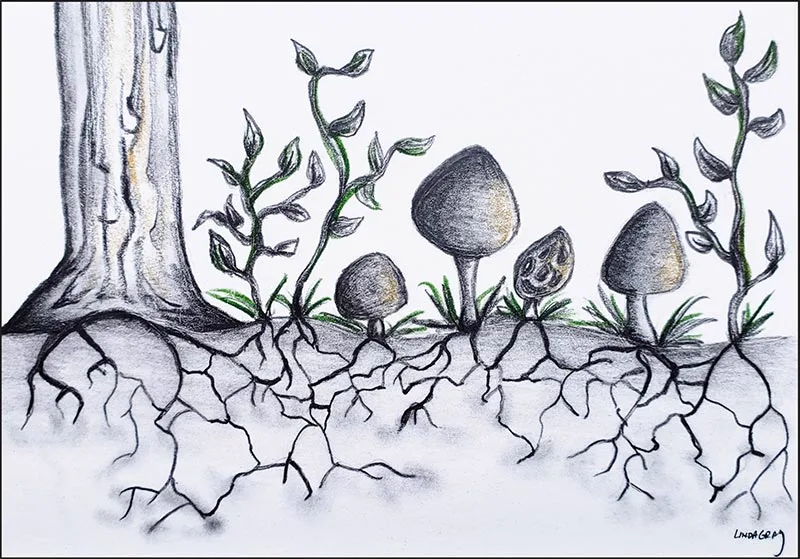
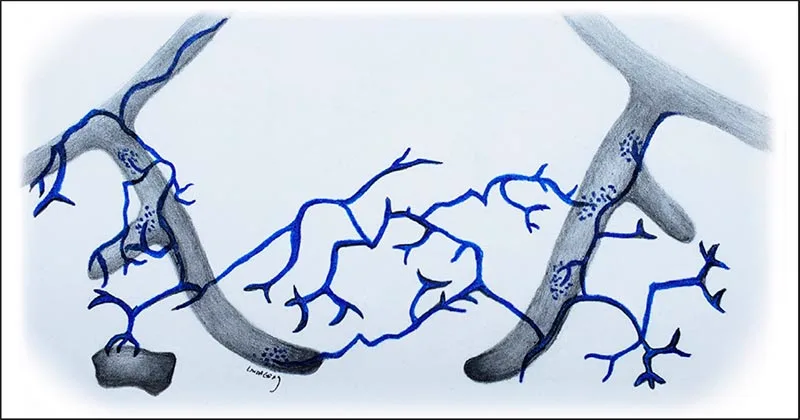
Communication between plants via linked mycelium has demonstrated remarkable benefits. Signals between plants can stimulate a common defense against soil pathogens, inhibit the growth of neighboring plants, and warn of insect attacks. Investigators demonstrated the transfer of defensive molecules between tomato plants linked by mycorrhizal fungi to protect against the root pathogen Alternaria solani.
Conclusions
Modern plant science has begun to understand that in natural habitats plant roots are a complex interaction between fungus and plant -- fundamental to life on our planet. Reintroducing the mycorrhizal relationship on disturbed lands is a growing opportunity.
Learning the basics of the living soil can be a rewarding undertaking and leave one with a vast respect for this hidden world -- and a greater inclination to treat soil with thoughtful consideration. It's time to get the message out regarding mycorrhiza. The mycorrhizal interactions of the soil don't have to be presented as "rocket science."
Mike Amaranthus is a retired research soil scientist for the USDA and associate adjunct professor at Oregon State University. He was the recipient of the USDA Highest Honors award for scientific achievement and has several mushrooms and truffles named in his honor. He was the founder of Mycorrhizal Applications, Inc. He is president of Myco Analytics L.L.C in Grants Pass, Oregon.
Frequently Asked Questions About Mycorrhizae
What is mycorrhizae?
Mycorrhizae (singular: mycorrhiza) are beneficial fungi that form a symbiotic relationship with plant roots. The word literally means "fungus-root." The fungi attach to and grow into root cells, extending microscopic filaments called hyphae far into the surrounding soil. This dramatically increases the effective surface area of the root system, allowing plants to access far more water and nutrients than they could on their own. An estimated 85% of the world's plant species naturally form this relationship.
What are mycorrhizae used for?
Mycorrhizae are used by growers, gardeners, and farmers to improve plant health, increase yields, and reduce water and fertilizer needs. They are applied as an inoculant — a powder, granular, or liquid product containing dormant fungal spores — at planting time or during transplanting. Once activated by moisture and root contact, the fungi colonize the root system and begin providing benefits including improved nutrient uptake, drought resistance, and protection against root diseases.
What is mycorrhiza (singular)?
Mycorrhiza is the singular form of mycorrhizae. It refers to the specific root-fungus structure formed when a single mycorrhizal fungus colonizes a plant root. A plant typically forms many mycorrhizal associations across its root system, so "mycorrhizae" (plural) is the more commonly used term when describing the relationship as a whole. Both spellings — mycorrhiza and mycorrhizae — are correct; mycorrhiza is Greek in origin, combining "mykes" (fungus) and "rhiza" (root).
How does mycorrhizae help plants grow?
Mycorrhizae help plants grow in several key ways: (1) Nutrient absorption — the fungal hyphae act as an extended root system, accessing phosphorus, nitrogen, zinc, iron, and other nutrients that roots alone cannot reach. (2) Water uptake — hyphae penetrate microscopic soil pores unavailable to roots, finding water during drought. (3) Disease resistance — mycorrhizal fungi release compounds that suppress harmful root pathogens like phytophthora, fusarium, and pythium. (4) Communication — mycorrhizal networks connect plants underground, allowing them to share nutrients and chemical defense signals.
What plants benefit from mycorrhizae?
The vast majority of plants benefit from mycorrhizae — including vegetables, fruits, flowers, trees, shrubs, grasses, and turf. An estimated 85% of all plant species naturally form mycorrhizal relationships. Common exceptions include plants in the brassica family (cabbage, broccoli, mustard) and plants in the chenopod family (beets, spinach, chard), which do not form mycorrhizal associations. For all other plants, inoculating at planting time with a product like Big Foot Mycorrhizae can meaningfully improve establishment, growth, and stress tolerance. See our full plant compatibility list for a complete breakdown by species.
How do you apply mycorrhizae?
Mycorrhizae inoculants are applied directly to plant roots at planting time for best results. Common methods include: dusting or coating bare roots before planting, mixing granular product into the planting hole or transplant medium, or applying a liquid concentrate as a soil drench or transplant solution. The key is direct root contact — the fungal spores need to touch the root to germinate and colonize. Big Foot Mycorrhizae offers multiple product formats (Gold, Granular, Concentrate, Root Boost) designed for different application methods and plant types.
Ready to add mycorrhizae to your soil?
Big Foot offers granular, concentrate, and gold formulas for every plant type and application method.
Shop Big Foot Mycorrhizae